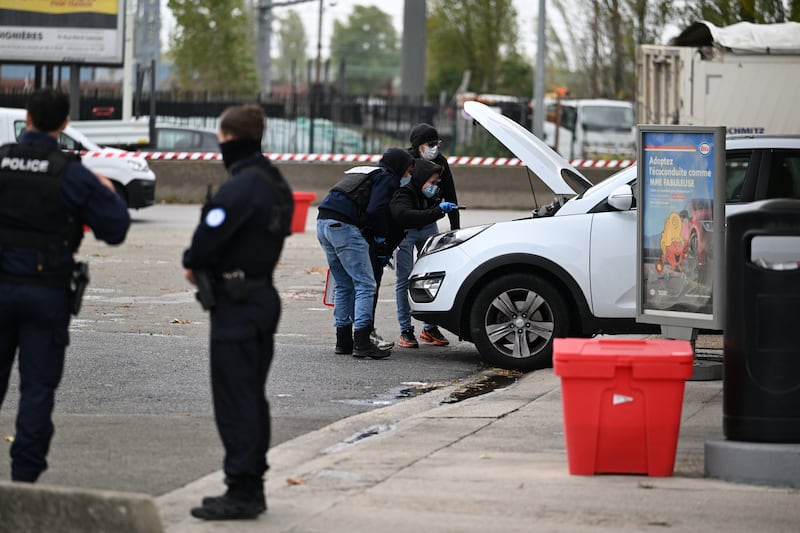
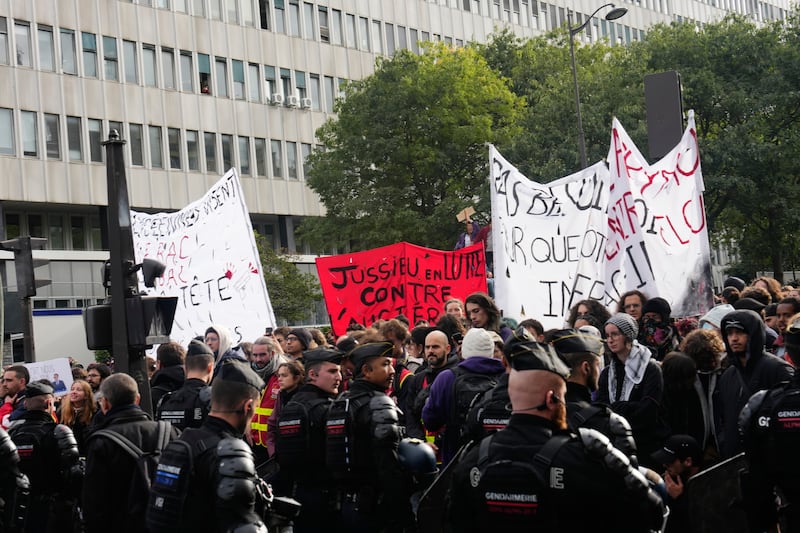
France deployed thousands of police on Saturday for fresh protests over school funding and soaring living costs, seeking to prevent another weekend of looting, burned cars and attacks on public buildings.
In Paris, authorities restricted the main march to the city’s southeastern edge, keeping it away from the centre.
Police used tear gas against protesters in Lyon — where the rally was banned — on Saturday morning. In Clermont-Ferrand, officers used tear gas and stun grenades to push back demonstrators trying to reach the city centre, French media reported.
Interior Minister Laurent Nunez said up to 70,000 officers would be deployed nationwide, backed by helicopters, armoured vehicles and water cannons.

Several thousand people gathered at Porte d’Italie in southern Paris early on Saturday afternoon, a smaller crowd than a week earlier. Trade unions led the procession, followed by protesters in raincoats carrying flags and handmade placards.
Thousands of people also marched on Saturday afternoon in Orleans, south of Paris, in a separate peaceful protest against the far right as Marine Le Pen’s National Rally held a two-day congress in the city.
What began last month as a protest over staff shortages at one high school southeast of Paris has grown into a national movement. Students demanding better schools and workers seeking higher wages and pensions have brought anger over living standards into the final months of President Emmanuel Macron’s presidency.
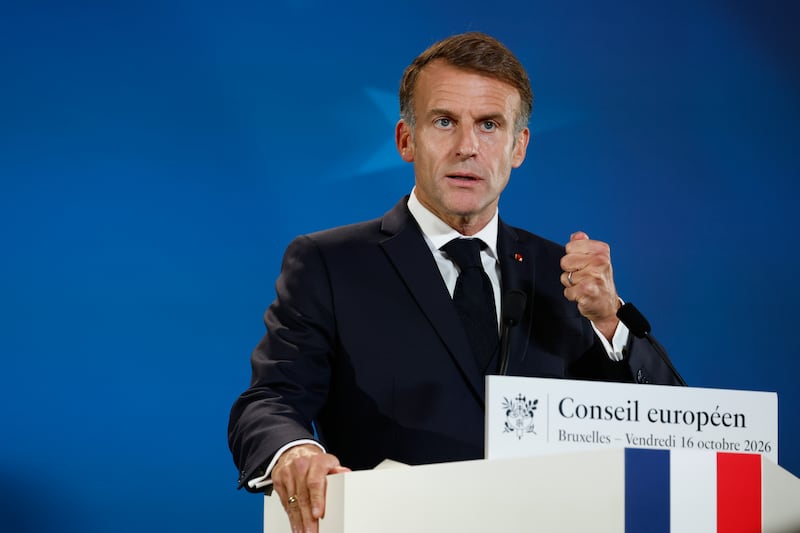
Mr Macron met high school representatives on Friday. They said he had promised to overhaul university admissions, but called for protests to continue until concrete measures are announced.
More than half a million people took to the streets last Saturday. Some 3,000 shops across France were damaged or looted over the weekend.
Gendarmes stood guard beneath the Arc de Triomphe as shopkeepers boarded up storefronts across Paris.
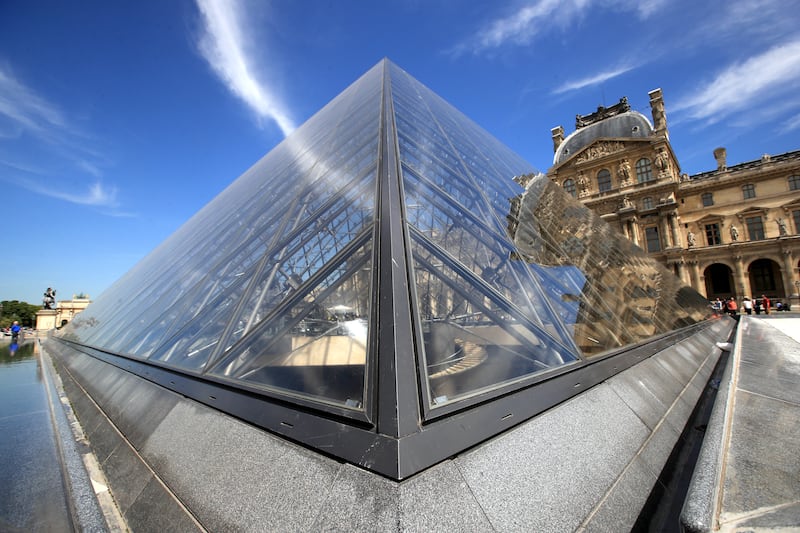
Major museums, including the Louvre, Orsay Museum, Picasso Museum and Grand Palais — where a major Cezanne exhibit is on display — were shut Saturday.
Art Basel, one of the world’s most prestigious contemporary art fairs, opened to the public on Friday, but only for the day, with the threat of unrest prompting organisers to cancel the weekend program.
Police changed the Paris route on Friday, replacing the planned Bastille-to-Nation march with a route between Porte d’Italie and Porte de Vincennes. At Bastille, the original starting point, police used a megaphone to tell people to leave or face a 135-euro fine.
Soumaya Abed, a 58-year-old nurse wearing a red CGT union vest, said she had been joining protests for more than 30 years but had never seen a march start at Porte d’Italie.
“They are using what happened last week as an excuse to quiet protesters,” she said. “But it won’t stop the movement. It won’t stop students from demanding better conditions in schools.”
Protest marches are scheduled in Paris and Marseille, but some other rallies, including in Lyon, Nice and Montpellier, have been banned by local authorities.
Trade unions have criticised the bans, calling them violations of freedom of expression, which is protected by the constitution.

Mr Macron, a centrist, has entered the crisis in the final stretches of his term with his popularity at its lowest since he took office in 2017. He has said that the measures are needed to protect city centres, businesses and public buildings.
Mr Nunez acknowledged on Monday that police had lost control in some cities during last weekend’s unrest. He offered to resign, but Mr Macron refused.
Student groups want 250,000 more places in higher education and an end to selection through Parcoursup, the national admissions system.
Their joint 10-point plan also calls for more teachers and repairs to schools and universities.
They are also seeking help with everyday costs: an extra 200 euros a month in student grants and a rent freeze in public student housing.
“The money is now concentrated in the hands of very few people,” said Victoria Ambrosini, an art critic and art teacher at Saint-Denis University.